Magazin
Blog
- Food Truck, Marketing
Some food trailers immediately catch the eye. This is due to their striking exteriors. Chrome finishes and mirror-finish wraps are among the most eye-catching effects […]
![AVB_Protective Film[1]](https://www.avb-manufaktur.de/wp-content/uploads/elementor/thumbs/AVB_Schutzfolie1-rt3ip696c371i0vx96utix0nxr6erep1nrbvxvstzo.webp "AVB_Schutzfolie[1]")
- Food truck
Your food trailer is exposed to far more external factors than it might seem at first glance. It’s not just the weather—extreme […]
- Food Truck, Marketing
Your food trailer is a common sight in public places. People see the exterior before they even read your menu. […]
![AVB_Which_Slide[1]](https://www.avb-manufaktur.de/wp-content/uploads/elementor/thumbs/AVB_Welche_Folie1-rt3gxa63shqec7oxc2mqjjfqbw38k21v7iyqlsj6xg.webp "AVB_Welche_Folie[1]")
- Food truck
Your food trailer is on the go at festivals, farmers' markets, and corporate events. Sun, rain, exhaust fumes, and cleaning products take their toll. The wrap isn't […]
- Food truck
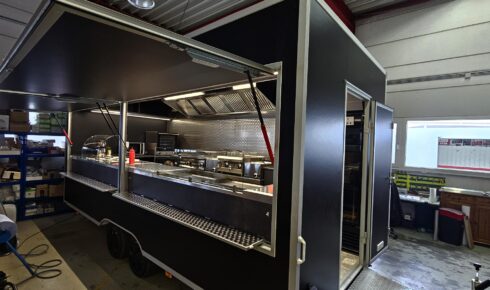
You have a concept, a brand, and a color scheme in mind. Now you want your vision to be brought to life in the best possible way in the […]
- Food truck
![Food Trailer_Electricity[1]](https://www.avb-manufaktur.de/wp-content/uploads/elementor/thumbs/Foodtrailer_Strom1-rreggu8h77iqhutrv2ovlp17rs3ey6xor9ty4o15g4.webp "Foodtrailer_Strom[1]")
- Food truck
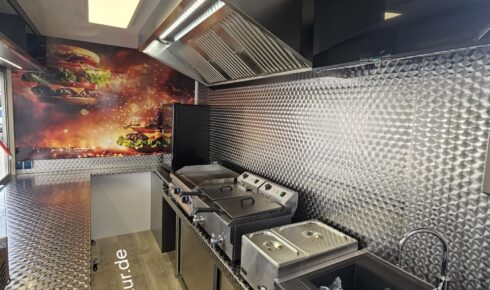
You know where you stand, you know what you're cooking—but have you also figured out where the electricity comes from […]
- Food truck
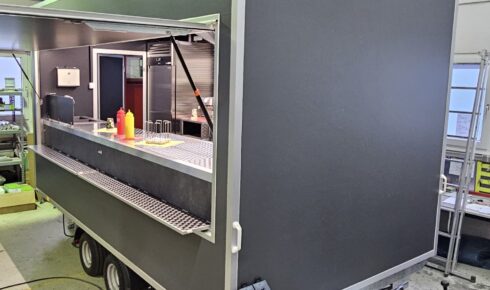
A broken grill in the middle of the season. A deep fryer that stops working. A gas system that fails inspection. For […]
- General, Food Truck
You have an idea for your own food truck—but you're wondering how to get from that initial idea to […]
- General, Financing & Leasing, Food Truck
You have a concept, you have passion—but don't yet have the necessary capital for your food truck? That's […]
Frequently frequently asked questions
What is the difference between a food truck and a food trailer?
- in Food Truck is a self-driving vehicle with a built-in kitchen.
- A food trailer is a trailer with a kitchen that has to be pulled by a vehicle.
What are the advantages of food trailers over food trucks?
- Lower acquisition costs: Food trailers are often cheaper than food trucks.
- Flexibility: The towing vehicle can be used independently.
- Longer service life: less wear and tear as there is no separate chassis and motor.
Is it worth running a food truck?
- Yes, if you have a good business idea, an attractive location and a well thought-out marketing strategy.
- Successful food trucks can generate high profits, but require good planning and organization.
How much does a food truck or food trailer cost?
- New food truck: €50,000 - €150,000
- Used food truck: € 20,000 - € 80,000
- New food trailer: € 10,000 - € 80,000
- Used food trailer: €5,000 - €50,000
- Additional costs: insurance, permits, equipment, marketing, etc.
Are there subsidies or financing options for food trucks?
- Loans from banks (KfW start-up loan)
- Leasing or installment plan
- Subsidies for start-ups (depending on the federal state)
- Crowdfunding or investors
What permits do you need for a food truck?
- Business registration
- Food law approval (public health department)
- Stand permit from the city/municipality
- Hygiene training according to HACCP standard
- Tax registration with the tax office
What hygiene regulations apply to food trucks?
- Compliance with HACCP guidelines
- Hand basin with running water
- Separate storage of raw materials and finished dishes
- Cold chain must be maintained
- Regular cleaning and disinfection
Do I need a special driver's license for a food truck or food trailer?
- Food Truck: Driving license class B (up to 3.5 t), class C1 (up to 7.5 t) or C (over 7.5 t)
- Food trailer: Depends on the total weight. Class BE is usually required for trailers over 750 kg.
Where can you stand with a food truck?
- Public parking lots or roads (with permit)
- Private areas (e.g. company premises, shopping centers)
- Markets, festivals and events (with stand permit)
Which locations are best for a food truck?
- Highly frequented places: Pedestrian zones, train stations, office districts
- Industrial areas (lunch business for workers)
- Trade fairs, festivals and events
How do you find good events or festivals for food trucks?
- Search event calendars of cities
- Request food truck festivals and street food markets
- Using Facebook groups and networks for food truck operators
What equipment does a food truck need?
- Basic equipment: gas or electric stove, fridge, sink with water connection
- Depending on the concept: deep fryer, grill, coffee machine, etc.
- Power supply: Generator or external power connection
Is it possible to have a food trailer individually equipped?
- Yes, we offer individual kitchen planning as required.
- Custom-made products are no more expensive for us, but more efficient for the company.
Which is better: gas or electric appliances in a food truck?
- Gas: independent of the power grid, cheaper to run
- Electric: Easier to handle, requires a powerful power source
How much can you earn with a food truck?
- Turnover per day: € 500 - € 3,000 (depending on location & offer)
- Profit margin: approx. 30-50
- Monthly profit: € 2,000 - € 10,000+ (if business is going well)
Which dishes sell best in a food truck?
- Burgers, fries & BBQ
- Pizza & tarte flambée
- Vegan & vegetarian dishes
- Asian street food cuisine
- Coffee & Desserts
How long does it take for a food truck to pay off?
- Usually 6 months to 2 years, depending on the investment, location and demand.
How long does it take for a food truck to pay off?
- Usually 6 months to 2 years, depending on the investment, location and demand.